Mentorship · 6 months · groups by language

Neuropelveologywith Dr. Nucelio Lemos.

Continuing education in pelvic neuroanatomy, nerve-sparing surgery and chronic pelvic pain. Study at your own pace and, every month, discuss topics and cases live with Dr. Nucelio in a group of up to 10 physicians who speak your language.

Neuroanatomy
01 / 03
Laparoscopic anatomy of the lumbosacral plexus — Dr. Nucelio Lemos
00:00:00

Move the cursor over the video to light up the surgical field. Excerpts from lectures on the platform.

LiveMonthly mentoring · 2 h
GroupUp to 10 physicians
Library102 lectures · 65 h
Access6 months

A word from the program director

Why this program, in the words of its director.

Dr. Nucelio Lemos02:21 · Sound onVideo in Portuguese

Mentorship rhythm

Every month, your case on the table.

The library opens on day one. On top of it, the mentorship follows a fixed monthly rhythm for 6 months.

  • Monthly

    Live mentoring with Dr. Nucelio

    Two hours on Zoom, with topics and clinical cases, in a group of up to 10 physicians who speak your language.

  • Weekly

    New lectures and materials

    The library grows every week while the mentorship runs.

  • Ongoing

    Private group

    WhatsApp or Telegram for questions between sessions.

  • On completion

    Certificate

    Certificate of completion of the mentorship.

Month01
  • Live mentoring
  • New lectures
Month02
  • Live mentoring
  • New lectures
Month03
  • Live mentoring
  • New lectures
Month04
  • Live mentoring
  • New lectures
Month05
  • Live mentoring
  • New lectures
Month06
  • Live mentoring
  • New lectures
  • Certificate

What you get

Real mentoring, not just recorded lectures.

01

Small groups, by language

No more than 10 physicians per group, in English, Portuguese or Spanish: there is time for your case.

02

A full library from day one

102 lectures and 65 hours to study on demand, organized in six blocks.

03

Broadcast dissections

Pelvic Anatomy Expo in St. Louis (USA): lumbosacral plexus, autonomic nerves and the deep gluteal space.

04

Chronic pelvic pain, end to end

Differential diagnosis, nerve entrapments, neuromodulation and a multidisciplinary treatment plan.

05

Content that keeps growing

New lectures and materials every week during the mentorship.

06

Certificate and continuity

A certificate of completion and the option to stay in the mentoring after 6 months.

Program

Six blocks, from anatomy to clinical decisions.

The full library as it stands today on the platform. Open each block to see the lectures.

  • Live · monthlyTwo-hour Zoom mentoring with Dr. Nucelio, in groups of up to 10 physicians per language.
  • LibraryUnlocked on day one, to study at your own pace.
  • UpdatesNew lectures and materials every week.
  • Access6 months; then optional continuity for US$ 520 per month.
  • SupportPrivate WhatsApp or Telegram group.
  • OptionalOne-on-one mentoring, in person or remote, booked separately.

On the platform today

102lectures
65hours
6modules
Lectures by Dr. Nucelio Lemos19 lectures · 19 h
  1. Anatomy to Avoid Complications
  2. Diagnosis of Intrapelvic Nerve Entrapments
  3. Diagnosis of Pudendal Neuralgia and Intrapelvic Nerve Entrapments
  4. Differential Diagnosis of Chronic Pelvic Pain
  5. Intrapelvic Nerve Entrapments
  6. Functional Pelvic Anatomy and Neuropelveology
  7. Indications and Technical Principles of Neural Electrode Implantation on the Pelvic Nerves (LION Procedure)
  8. Neuromodulation: Indications in LUTS
  9. Neuronavigation in Minimally Invasive Surgery
  10. Neuropelveology: Clinical Applications of Pelvic Neuroanatomy
  11. Thinking Beyond the Reproductive System: Differential Diagnosis of Chronic Pelvic Pain
  12. Surgical and Clinical Management of Intrapelvic Nerve Entrapments
  13. Treatment of Established Nerve Damage
  14. EduCareHub Mentoring Session: May 1, 2026
  15. EduCareHub Mentoring Session: May 9, 2026
  16. EduCareHub Mentoring Session: May 11, 2026
  17. Differential Diagnosis of Chronic Pelvic Pain (2)
  18. Anatomy for the Prevention of Complications in Urogynecologic Surgery
  19. Full-Length Surgery: Bilateral Parametrial Endometriosis with Right Sacrospinous Ligament Resection
Pain: Fundamentals and Treatment (based on ENDOCWB 2025)27 lectures · 11 h
  1. Functional Autonomic Neuroanatomy (ANS, Pelvic Innervation, Urinary and Digestive Tracts)
  2. Functional Anatomy and Neurophysiology of the Pelvic Floor
  3. Pathophysiology of Postoperative Autonomic Dysfunction and Nerve-Sparing Techniques
  4. Nerve Sparing Based on Anatomical Spaces and Landmarks
  5. Principles and Best Practices of Urodynamic Studies
  6. Multidisciplinary Work and a Unified Treatment Plan (Propelv and ERAS Protocol)
  7. Perioperative Nutritional Therapy in Pelvic Surgery
  8. Management of Postoperative Bowel Dysfunction
  9. Somatic Nerve-Sparing Techniques: Intraoperative and Postoperative Management
  10. Central, Somatic and Visceral Neuropathic Pain
  11. Intrapelvic Nerve Entrapment Neuropathy
  12. Radiculopathies of Spinal Origin
  13. Radiculopathies Originating in the Hip
  14. Intraoperative Neurophysiological Monitoring
  15. Perioperative Care in the Treatment of Intrapelvic Nerve Entrapments
  16. Pharmacological Management of Post-Decompression Neuropathic Pain
  17. Interventional Management of Post-Decompression Neuropathic Pain
  18. Implantable Devices in the Treatment of Neuropathic Pain
  19. LION for Post-Decompression Neuropathic Pain
  20. Bladder Pain Syndrome, Interstitial Cystitis and Myofascial Pelvic Floor Pain
  21. Pharmacological Treatment of Chronic Pelvic Pain
  22. Interventional Treatment of Chronic Pelvic Pain
  23. Multidisciplinary Approach and Unified Treatment Plan in Chronic Pelvic Pain
  24. The Role of Psychology in the Treatment of Chronic Pelvic Pain
  25. Nutritional Therapy in Endometriosis and Chronic Pelvic Pain
  26. The Role of Pelvic Physiotherapy in the Treatment of Chronic Pelvic Pain
  27. The Role of Motor Physiotherapy in the Treatment of Chronic Pelvic Pain
Advanced Neuroanatomy of the Pelvis: Pelvic Anatomy Expo 202517 lectures · 10 h
  1. Pelvic Functional Anatomy, Neurophysiology and the Principle of Nerve-Sparing through Direct Visualization of Nerve Bundles
  2. From Books to Practice Simulcast: Autonomic Nerves of the Pelvis and Dissection Demonstration
  3. Neurological Evaluation
  4. Tarlov Cysts, Sacral Chordoma and Other Spinal Causes of Non-Discogenic Pain
  5. Simulcast Dissection: Posterior Approach to the Sacral Nerve Roots, Obturator and Adductor Core
  6. Differential Diagnosis of Chronic Pelvic Pain
  7. Intrapelvic Nerve Entrapments
  8. MR Neurography, Tractography and Imaging of the Lumbosacral Plexus
  9. Applications of the Ilioinguinal Approach
  10. Neuromodulation for Chronic Pelvic Pain
  11. Simulcast Dissection: Laparoscopic Anatomy of the Lumbosacral Plexus, Ultrasound-Guided Blocks and Pudendal Nerve
  12. The Hip-Pelvis-Spine Trinomium: Neuromusculoskeletal Interactions of the Lumbosacral Plexus and the Pelvic Floor
  13. Subgluteal Approaches to the Nerves of the Deep Gluteal Space: Clinical Applications
  14. Obturator and Adductor Core
  15. Hip, Spine and Core Physical Exam
  16. Simulcast Dissection: Ultrasound-Guided Blocks, Endoscopic/Laparoscopic Joint Vision and Open Subgluteal Approaches
  17. Cross-Disciplinary Think Tank Panel: Future Perspectives for Lumbosacral Anatomy
Advanced Neuroanatomy of the Pelvis: Pelvic Anatomy Expo 202618 lectures · 10 h
  1. Differential Diagnosis of Chronic Pelvic Pain
  2. The Pelvis as a Functional Unit: Linking Hip, Spine and Pelvic Floor
  3. Intrapelvic Nerve Entrapments
  4. Tarlov Cysts, Sacral Chordoma and Other Spinal Causes of Non-Discogenic Pain
  5. Neurological Evaluation
  6. Anorectal Pain
  7. Clinical Indications and Injection Techniques: Anterior Abdominal Wall and Groin
  8. Simulcast Dissection: Laparoscopic Anatomy of the Lumbosacral Plexus
  9. Pelvic Functional Anatomy, Neurophysiology and the Principle of Nerve-Sparing through Direct Visualization of Nerve Bundles
  10. From Books to Practice Simulcast: Autonomic Nerves of the Pelvis, Plexuses and Sympathetic Chain
  11. Clinical Indications and Injection Techniques: Sacral and Gluteal Regions
  12. Obturator, Adductor, Core and Pubic Pain: Pathophysiology and Management
  13. Hip, Spine and Core Physical Exam
  14. History and Physical Exam of the Abdomen and Pelvis
  15. Sacral, Pudendal and Tibial Neuromodulation: Techniques and Indications
  16. Curonix Freedom System Overview
  17. Neuromodulation for Chronic Pelvic Pain
  18. Simulcast Dissection: From the Sacrum to the Deep Gluteal Space, Hip Endoscopic Approach to the Lumbosacral Plexus with Joint Laparoscopic Vision
Neuropelveology Course (ENDOCWB 2026)7 lectures · 6 h
  1. General Structure and Organization of the Nervous System; Somatic and Autonomic Neuroanatomy of the Pelvis
  2. Cadaver Dissection (unedited video): Pelvic Neuroanatomy
  3. Functional Anatomy and Neurophysiology of the Pelvic Floor
  4. Nerve-Sparing Techniques in Pelvic Surgery
  5. Intraoperative and Postoperative Management of Nerve Damage
  6. Clinical Case Discussion
  7. Lightly Edited Surgical Videos
Chronic Pelvic Pain Course (ENDOCWB 2026)14 lectures · 8 h
  1. Differential Diagnosis of Chronic Pelvic Pain
  2. Myofascial Pelvic Floor Pain: Assessment and Physiotherapy Approach
  3. Discussion and Clinical Cases
  4. Intrapelvic Nerve Entrapments
  5. Orthopedic Causes of Neuropathic Pain
  6. Clinical Case Discussion: Intrapelvic Nerve Entrapments
  7. Types of Pain: Classification and Clinical Implications
  8. Multidisciplinary Approach and Unified Treatment Plan in Chronic Pelvic Pain
  9. The Role of Motor Physiotherapy in the Treatment of Chronic Pelvic Pain
  10. The Role of Pelvic Physiotherapy in the Treatment of Chronic Pelvic Pain
  11. The Role of Mental Health in the Treatment of Chronic Pelvic Pain
  12. Nutritional Therapy in Chronic Pelvic Pain
  13. Clinical Case Discussion
  14. Clinical Case Discussion and Lightly Edited Surgical Videos

Program director

Who leads the mentorship.

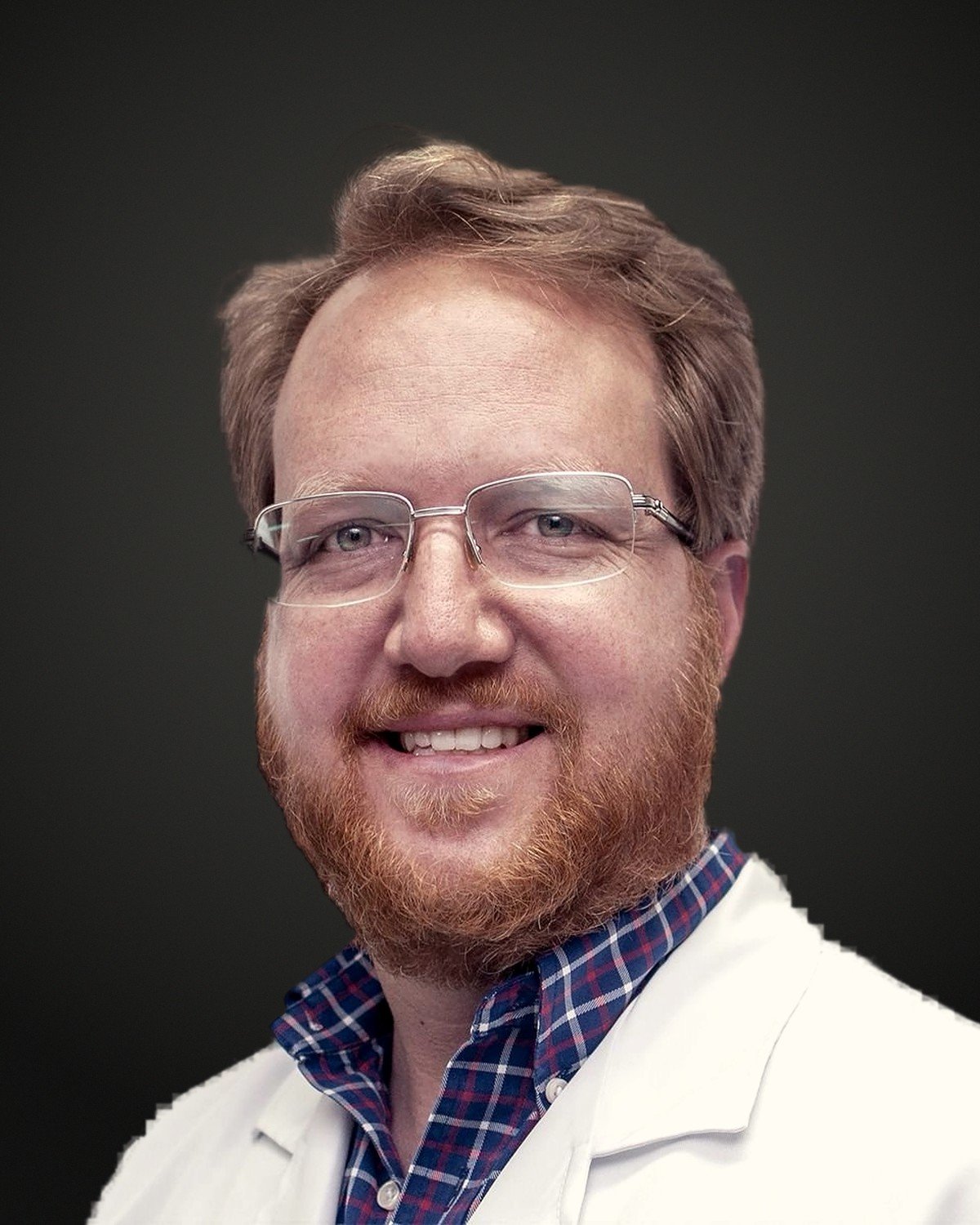
Dr. Nucelio Lemos

Dr. Nucelio Lemos

Program director and mentor

An international reference in neuropelveology, endometriosis and chronic pelvic pain, he combines pelvic neuroanatomy, minimally invasive surgery and pain medicine to treat complex cases.

  • Professor at the University of Toronto
  • Surgeon at Mount Sinai Hospital and Women's College Hospital
  • Founder of Increasing, a multidisciplinary neuropelveology center

Guest faculty in the lectures

  • Maria Gabriela Baumgarten Kuster
  • Gustavo Leme Fernandes
  • Alejandro Martín Gonzalez
  • Alexandra Raffaini
  • Ricardo Boccatto de Oliveira
  • Carlos Henrique Lemos
  • J. Panicker
  • R. Schrot
  • S. Bharam
  • H. Martin
  • A. Trescot
  • C. Argoff
  • P. Bearn
  • E. De
  • B. de Monaco

Investment

Six months of mentoring, the entire library on day one.

6 monthsEN

Neuropelveology Mentorship

  • Monthly two-hour live mentoring in a group of up to 10 physicians
  • A library of 102 lectures from day one
  • New lectures and materials every week
  • Private WhatsApp or Telegram group
  • Certificate of completion
Investment · single paymentUS$ 3,110
Enroll now

After 6 months, you can stay in the mentoring and keep access, with the weekly updates, for US$ 520 per month.

Groups have no more than 10 physicians per language.

Secure checkout by Eduzz. Single payment in US dollars.

Frequently asked questions

Before you enroll.

How does the mentoring work?

Monthly two-hour Zoom sessions with Dr. Nucelio Lemos, in groups of up to 10 physicians, separated by language (English, Portuguese or Spanish). You bring topics and clinical cases to discuss.

Can I start at any time?

Yes. The mentorship runs continuously: after you enroll, the library is unlocked right away and you join your group at its next session.

In which language are the lectures?

Part of the library was recorded in English (Pelvic Anatomy Expo, St. Louis). The lectures recorded in Portuguese are available with English dubbing or subtitles.

What happens after 6 months?

You can stay in the mentoring and keep access to all content, with the weekly updates, for US$ 520 per month.

Do I get a certificate?

Yes. You receive a certificate of completion at the end of the mentorship.

Is one-on-one mentoring available?

Yes, as a separate service: in person or remote, with Dr. Nucelio or with guest faculty. Talk to our team to arrange it.

Next step

Your next case, discussed with Dr. Nucelio.

Talk to our team